Quick Answer
Revenge trading is the impulsive, emotion-driven behavior of trying to immediately recover losses through bigger, riskier bets. It destroys crypto profits by breaking your trading plan, causing overleveraging, and creating a negative spiral where each emotional mistake leads to another. The solution? Set strict daily loss limits, use predefined strategies, keep a trading journal, and employ visual tools like WaveTrader to remove emotional bias from your decisions.

The crypto waves can slam you harder than a winter storm—30% daily price swings barely raise eyebrows in this wild ocean. But here's the thing: those massive market moves aren't what sink trading accounts. Your emotional response to them is.
Revenge trading—that burning urge to immediately recover losses through bigger, riskier bets—quietly drains your crypto profits one desperate decision at a time. Ever felt that sting when a trade goes wrong? Studies show losing money hurts twice as much as winning the same amount feels good. That psychological punch explains why revenge trading and FOMO crash through your discipline like rogue waves.
FOMO clouds your judgment faster than morning fog rolls over the beach. Instead of sticking to your carefully planned strategy, you find yourself chasing losses with increasingly frantic moves. Sound familiar?
What makes revenge trading so destructive isn't the market's volatility—it's how those emotions hijack your discipline. The ocean doesn't punish surfers for lacking wave knowledge as severely as it punishes those who lack patience. How do you stay on your board when the emotional swells try to knock you off?
This guide reveals exactly what triggers revenge trading, how it erodes your profits like relentless tide, and the practical strategies to break this costly cycle once and for all.
🔑 Key Takeaways
- Loss aversion drives revenge trading: Losses hurt twice as much as equivalent gains feel good, triggering emotional decisions that override rational analysis
- Overleveraging accelerates account destruction: Increasing position sizes after losses shrinks your margin for error, turning small market moves into catastrophic losses
- Daily loss limits act as circuit breakers: Stop trading after losing 2% of your account to prevent emotional spirals
- Trading journals reveal emotional patterns: Tracking feelings alongside trades makes psychological triggers easier to spot and control
- Long-term consistency beats short-term recovery: Focus on sustainable strategies rather than desperate attempts to recover losses immediately
What is revenge trading and why it happens
 Image Source: HighStrike
Revenge trading strikes after a painful loss when raw emotion takes the wheel. This destructive pattern can flip a disciplined trader into someone desperately chasing losses with increasingly risky moves.
Revenge trading meaning explained
💡 Definition
Revenge trading occurs when you make impulsive, emotionally-driven decisions specifically to recover previous losses. Rather than accepting a loss as part of trading, you feel compelled to "get back at" the market immediately.
The behavior looks like this: abandoning your trading strategy completely, increasing position sizes recklessly, and ignoring stop-loss orders—all driven by pure emotion rather than analysis.
The name says it all—you're literally trying to take "revenge" against the market for a loss, as though Bitcoin personally wronged you. Your brain's misguided attempt to fix emotional pain through impulsive action.
How losses trigger emotional decisions
Loss aversion drives this whole mess. Research confirms humans feel the pain of losses more intensely than the pleasure of equivalent gains. That psychological quirk explains why one bad trade can trigger a cascade of terrible decisions.
The emotional aftermath of a loss creates perfect conditions for irrational behavior. You might experience:
- Frustration and anger directed at the market or yourself
- A sense of injustice that demands immediate correction
- An overwhelming urge to recover losses immediately
These emotions flood your system with stress hormones, effectively shutting down rational thinking. Slippage—when trades execute at worse prices than expected—often intensifies these feelings, making you feel "robbed" and fueling revenge-seeking behavior.
The role of ego and overconfidence
Ego and overconfidence act as rocket fuel for revenge trading. Many traders struggle to admit they're wrong. A losing trade feels like personal failure rather than normal market behavior, leading to reactions that prioritize salvaging your self-image over making smart financial decisions.
Overconfidence bias—overestimating your trading abilities—creates dangerous foundations. This "ego-driven tendency" tricks your brain into thinking you can consistently beat the market with risky bets. After a loss, your ego whispers that the next trade will "definitely" work because the previous one "should have" worked.
Revenge trading represents your mind's desperate attempt to regain control when markets move against your position. The irony? This attempt usually results in deeper losses and even less control. As discussed in our 2-year cryptocurrency trading study, emotional control matters more than market prediction.
How Revenge Trading Destroys Your Crypto Profits
Financial destruction from revenge trading starts small. One emotional decision cascades into a series of increasingly harmful actions—what begins as a single bad trade quickly spirals into account-draining behavior that leaves lasting damage.
Breaking Your Trading Plan
Your carefully crafted strategy becomes the first casualty when emotions take control. Revenge trading shifts you from strategic to reactive—abandoning predetermined risk levels because you expect the market to move in your favor simply because you want it to.
⚠️ Warning Sign
The clearest warning? Ignoring stop-losses. Those risk management rules you planned with precision get tossed aside during emotional episodes.
You exceed daily loss limits. You open trades without technical justification. Your disciplined approach crumbles under the weight of wanting to be "right." For beginners just learning how to start cryptocurrency trading, this pattern can be especially devastating.
Overleveraging and Chasing Losses
Desperation breeds bigger, riskier bets. You inflate position sizes irrationally, pushing exposure far beyond what your account can handle. This shrinks your margin for error—even small market moves can wreck your account.
Consider this scenario: You lose $500 on a Bitcoin trade. Instead of analyzing what went wrong, you immediately open a new 5x leveraged position on Ethereum. When it drops slightly, you add more. Suddenly, you're down $1,500. One bad trade just became a catastrophic blow.
Sound familiar? It should—this pattern repeats across thousands of trading accounts daily. The essential tips that saved experienced traders $10,000 all emphasize proper position sizing for exactly this reason.
Missing Better Opportunities
Revenge trading devours the emotional energy you need for quality decisions. Instead of learning, studying, or patiently waiting for solid setups, you waste hours glued to screens, compulsively clicking buy/sell buttons.
The opportunity cost stings. While you chase losses through poor-quality trades, genuine profit opportunities slip past elsewhere in the market. You miss the chart patterns that consistently deliver profits because you're too busy trying to recover from emotional trades.
The Compounding Effect of Emotional Trades
Every emotional mistake—selling too early, overtrading, panic moves—cuts the compounding power of your strategy. These subtractions spiral over time, eroding portfolio growth. Even without dramatic losses, repeated mistakes quietly chip away at potential returns.
Worse yet: each failed revenge trade damages your confidence, making it harder to trust your own analysis in future trades. This psychological toll creates a negative feedback loop—one emotional trade leads to another, accelerating your account's downward slide.
The market doesn't care about your feelings. But your feelings sure care about the market.
Common Triggers and Patterns of Revenge Trading
Spotting the currents that pull you into revenge trading is like reading the ocean before you paddle out. These psychological patterns surface in predictable ways, yet they remain dangerously effective at dragging even seasoned wave riders off course.
FOMO Trading After a Missed Move
FOMO (fear of missing out) hits when you watch prices rocket skyward from the shore. Studies show 60% of crypto investors fear missing significant price surges more than any other market outcome. Your heart pounds, your finger hovers over the buy button, and you dive in late—exactly when the pros are already heading back to shore. That urgency wipes your strategy clean off the board.
Understanding break signals can help you identify genuine opportunities versus FOMO-driven traps.
Reacting to Social Media Hype
Social media turns trading impulses into tidal waves. A single Bitcoin ETF rumor once sent prices climbing nearly $2,000 in hours before they crashed back down. But here's the catch: by the time influencers start shouting about coins, smart money has already caught their waves—you're just providing their exit ramp.
Trying to 'Win Back' After a Loss
Loss stings like saltwater in a fresh cut. Traders show telltale signs: jumping back in immediately, doubling position sizes, making emotional justifications, and abandoning solid setups. These moves spring from the dangerous belief that you can control market outcomes, turning every loss into a personal attack.
Many traders describe getting pulled deeper underwater trying to "make it back" with increasingly wild moves. The proper response? Step back, review your market analysis approach, and wait for the next quality setup.
Ignoring Stop-Losses and Risk Limits
Ditching your stop-losses is the clearest signal you've been caught in revenge trading's rip current. Traders rationalize this through overconfidence ("I read these waves better than anyone"), fear of getting "shaken out," or pure hope that positions will turn around.
Without these safety lines, the mental pressure builds fast—anxiety, tunnel vision, and denial mount as losses pile up. Professional traders never abandon their stop-losses, no matter how confident they feel about a position.
How to Stop Revenge Trading and Regain Control
The good news? You can break free from revenge trading's grip. Seasoned wave riders know that controlling emotions matters more than predicting every market move.
Set Clear Daily Trade Limits
Think of daily limits as your personal breakwater—they protect you when emotional storms hit. Set a maximum daily loss limit—for example, stop trading if you lose 2% of your account in one day. Cap how many trades you can take per session to prevent the revenge trading spiral.
These boundaries might feel restrictive at first, yet they keep you floating when emotional turbulence tries to pull you under. Write these limits down and commit to them before you start trading each day.
Use a Predefined Trading Strategy
Develop concrete "If-Then" rules for your trades. Your strategy should include specific entry and exit criteria aligned with your risk tolerance, goals, and available capital. Think of these predetermined guidelines as your surf forecast—they provide objective guidance when emotions try to override sound judgment.
Whether you're using ABC correction patterns, Fibonacci retracement levels, or other technical tools, document your exact criteria before entering trades.
Keep a Trading Journal to Track Emotions
Document not just your trades, but the feelings behind them. A trading journal creates awareness of your psychological patterns, making them harder to ignore. Tracking emotional triggers makes them easier to spot and control before they crash your strategy.
Record entries like: "Felt FOMO seeing BTC pump 15%. Wanted to jump in. Waited 30 minutes, saw reversal pattern forming, avoided loss." Some traders use specialized software that flags trades where they didn't follow risk management rules.
Practice Emotional Detachment
View trading as reading wave patterns rather than a personal financial battle. This mindset shift separates trading emotions from personal emotions, reducing anxiety during price swings.
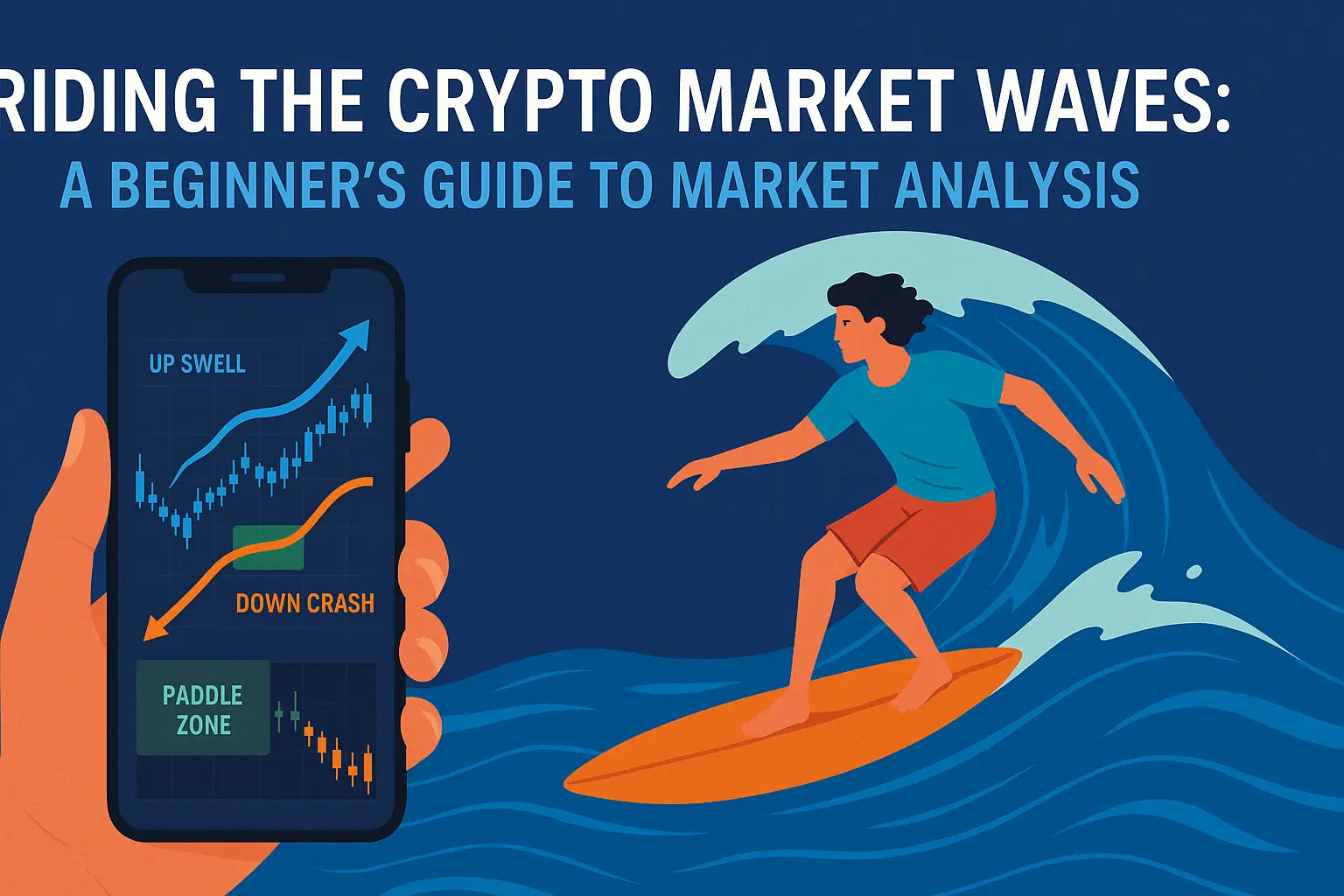
Practice mindfulness techniques such as meditation or deep breathing to recognize revenge-trading urges before they take hold. You'll gain the mental space to make rational decisions instead of reactive ones. Tools like WaveTrader's surf-inspired interface help by transforming abstract charts into intuitive visual patterns, making analysis feel less like a high-stakes gamble and more like reading natural wave formations.
Use Automation to Reduce Impulsive Trades
Automated trading systems execute strategies based on predefined rules without emotional interference. These bots operate 24/7, eliminating human sentiment from the equation. Automation proves particularly valuable after a loss when emotions run highest.
Dollar-cost averaging represents another form of automation that removes emotional entry decisions. Visual trading platforms like WaveTrader also reduce emotional trading by presenting market data through intuitive wave overlays—when you see clear paddle zones and wipeout zones instead of raw numbers, your decisions become less emotionally charged and more strategic.
Focus on Long-term Consistency Over Short-term Wins
Shift your perspective from chasing quick recoveries to building sustainable results. Even small percentage gains compound significantly over time. Obsessing over short-term fluctuations often leads to FOMO and revenge trading.
Focus on your broader financial goals rather than missing one trade. As our 2-year trading study revealed, patience and discipline matter more than initial capital or trying to catch every move.
Master these techniques and you'll ride the crypto waves with confidence instead of being tossed around by every emotional swell.
Stay Afloat: Your Path Forward
Revenge trading stands as one of crypto's most ruthless account killers. Market storms might rock your portfolio, but emotional decisions after losses? They sink ships entirely.
You've seen how loss aversion and overconfidence create the perfect conditions for poor choices. Here's what matters: losses don't destroy traders—the frantic chase to recover them does. That difference changes everything.
Your defense system works on two levels. Daily trade limits serve as your anchor when emotions surge. Predefined strategies keep you steady when the urge to abandon ship strikes hardest.
Trading journals turn those messy feelings into clear patterns you can actually track. Automation tools? They execute your plan without getting caught up in fear or greed—exactly what you need when emotions run hot.
Visual trading tools like WaveTrader transform the emotional experience of trading by turning complex analytics into surf-inspired patterns you can read intuitively. When you're analyzing paddle zones and wave formations instead of staring at anxiety-inducing red candles, you maintain the emotional distance needed for sound decisions.
Success in crypto demands patience over quick fixes. Every emotional trade erodes your compound growth. Discipline and consistency? They build wealth that lasts.
The markets reward steady strategy far more than desperate gambles.
Mastering your emotions takes practice, but each improvement pays dividends in your results. Stop treating the market like an enemy to defeat. Think of it as a puzzle to solve methodically, step by step.
Ready to trade with clarity instead of emotion? Learn more about visual crypto trading analytics that remove the emotional charge from market analysis. Or if you're just starting out, check out our beginner's guide to cryptocurrency trading to build a solid foundation from day one.
Your future self—and your trading account—will thank you for it.
Disclaimer: This article is for educational and informational purposes only. It does not constitute financial, investment, or trading advice. Cryptocurrency markets are volatile and carry significant risk. Past performance does not guarantee future results. Always do your own research and consider consulting a qualified financial advisor before making any investment decisions.