
Quick Answer
Crypto trading success comes from mastering eight essential principles: never invest more than you can afford to lose, always use stop-loss orders, avoid emotional decisions, resist FOMO pumps, learn chart patterns, diversify holdings, secure your assets properly, and track every trade. Visual tools like WaveTrader transform complex market data into readable wave patterns, helping beginners spot profitable entry and exit zones while avoiding the $10,000+ mistakes most new traders make.
The crypto waves looked perfect that morning—prices climbing, volume surging, opportunity everywhere. Yet within months, I'd lost nearly $10,000 because I couldn't read the market's true patterns. Paddling out into crypto trading without understanding the fundamentals feels like surfing massive swells with zero wave knowledge. Thrilling? Absolutely. Safe? Not even close.
Crypto markets throw curveballs that traditional stock trading never taught me. Extreme volatility turns promising setups into wipeouts faster than you can blink. The 24/7 action means missed sleep and missed signals. Most painful of all—watching profits evaporate because I entered the wrong zones at the wrong times.
Here's what saved me thousands in additional losses: learning to read market movements like ocean patterns. Those essential tips would have kept my account alive during those early, expensive lessons. Whether crypto trading feels completely foreign or you're struggling to find consistent wins, these principles help you spot the difference between a rideable wave and a crushing wipeout.
Successful traders don't just see price movements—they visualize market flows as waves with clear paddle zones (entry points) and wipeout zones (exit signals). This surf-inspired approach makes complex indicators as readable as checking wave conditions before dawn patrol. Master these patterns, and you'll ride market swells instead of getting slammed by them.
🔑 Key Takeaways
- Start small: Risk only 1-5% of capital per trade until your strategy proves profitable
- Use stop-losses: Automatic exit orders protect your account from devastating losses
- Visual tools work: Platforms like WaveTrader make complex charts readable for beginners
- Track everything: Document trades to identify patterns in your decision-making
Understanding Cryptocurrency Trading Basics
 Image Source: altFINS
Seasoned surfers don't just jump on any board and paddle out. They study wave patterns, check tide charts, and choose equipment that matches the conditions. Crypto trading works the same way—success flows from understanding the fundamentals before catching your first market swell.
What is crypto trading?
Crypto trading means buying and selling digital assets to profit from price swells and dips. Think of it like this: you paddle into a wave (buy) when momentum builds, then ride it to shore (sell) before it crashes. The crypto ocean never sleeps—markets run 24/7, so opportunities roll in around the clock.
Price volatility creates these tradeable waves. Buy low, sell high captures the basic rhythm, though you can also profit when prices crash through short-selling. The key lies in recognizing wave formations before they fully develop.
Most beginners struggle to spot these patterns at first. Raw charts look like chaos—endless candlesticks dancing up and down without clear direction. Visual tools change everything by showing market movements as actual waves with clear paddle zones (entry points) and wipeout zones (exit signals). Suddenly, those confusing price movements become as readable as checking surf conditions. For those just starting their crypto journey, visual platforms bridge the gap between theory and practical trading.
Paddle Zone
A visual trading term for optimal entry points where momentum is building but prices haven't peaked yet. Like positioning yourself perfectly to catch an incoming wave, paddle zones show where smart money typically enters positions.
How does it differ from investing?
Trading and investing ride different waves entirely:
Trading
Time Horizon
Daily to weekly waves
Focus
Chart patterns & momentum signals
Commitment
Constant monitoring & quick decisions
Potential
Faster profits, bigger risks
Investing
Time Horizon
Months to years
Focus
Project fundamentals & utility
Commitment
"Paddle out and wait" approach
Potential
Steady gains over time
Traders catch quick waves • Investors ride long swells
Traders actively hunt for swells throughout each session. Investors choose their spot and wait for the tide to lift all boats. Both approaches work—the right choice depends on your schedule, risk tolerance, and market reading skills.
Types of crypto traders
Different trading styles match different personalities, just like surfers choose waves based on their skills and preferences:
Scalpers
Hunt the smallest ripples, making dozens of trades within minutes or seconds. These are the shore break specialists who catch tiny waves in rapid succession, grabbing profits from micro-movements before anyone else notices.
Day Traders
Complete all their wave-riding within market hours, never holding positions overnight. They study intraday patterns and momentum shifts, typically catching 3-5 solid waves per session.
Swing Traders
Wait for bigger set waves, holding positions for days or weeks. Like surfers who paddle out beyond the break and wait for the perfect swell, they focus on major momentum shifts rather than short-term chop.
Trading approaches also vary by strategy:
- 🏄 Trend riders who follow established momentum
- 🔄 Reversal hunters who look for wave direction changes
- 🚀 Breakout specialists who enter when prices punch through key levels
Swing trading often suits beginners best—enough action to stay engaged without the stress of minute-by-minute decisions. As your wave reading improves, you'll discover which style fits your natural rhythm and schedule.
Master these basics and you'll understand why successful traders don't rely on luck. They read the market's waves just like surfers study ocean conditions—with patience, practice, and the right tools to spot opportunities before they break.
Choosing the Right Exchange and Tools
Your trading platform shapes every wave you catch—or miss. Just like choosing the right board for different surf conditions, picking your exchange and tools determines whether you glide smoothly through market movements or struggle against the current.
Centralized vs decentralized exchanges
Two paths lead into the crypto lineup: centralized exchanges (CEXs) and decentralized exchanges (DEXs). Each serves different wave riders.
Centralized exchanges work like familiar beach breaks—controlled, predictable, with lifeguards on duty. Binance, Coinbase, and Kraken handle your trades through traditional order books while holding your assets. These platforms offer:
- ✓ Higher liquidity for cleaner wave catches
- ✓ User-friendly interfaces that won't overwhelm newcomers
- ✓ Fiat on-ramps (deposit your regular currency)
- ✓ Customer support when things go sideways
Decentralized exchanges feel more like remote reef breaks—no crowds, no rules, pure peer-to-peer action. Uniswap, dYdX, and PancakeSwap connect traders directly through smart contracts. Benefits include:
- 🔐 Complete privacy (no personal verification required)
- 🔐 Full control of your assets throughout trades
- 🔐 Access to brand-new tokens before they hit the mainstream
- 🔐 Direct wallet-to-wallet connections
Most beginners find centralized exchanges easier to read—like learning on gentle shore break before tackling overhead waves. Once you've built confidence, decentralized platforms open up different trading opportunities. Understanding tax implications for your trades becomes crucial when using multiple platforms.
How to pick a beginner-friendly platform
Not every platform welcomes first-time wave riders equally. Smart platform selection focuses on these essentials:
Security first—Choose exchanges with solid track records, two-factor authentication, cold storage protection, and insurance coverage. A sketchy platform can wipe out your account faster than a rogue set.
Fee transparency—Trading fees, withdrawal costs, and deposit methods all bite into your profits. Lower fees mean more capital stays in your trading account where it belongs.
Clean interface—The best platforms show you what matters without chart clutter or confusing navigation. You want to read market waves, not decode the dashboard.
Learning support—Quality exchanges provide tutorials, market education, and trading guides. Think of it as surf school built into your platform.
Check community reputation through forums and reviews—other traders' experiences reveal platform strengths and weaknesses. Also verify the exchange operates legally in your region to avoid regulatory surprises.
Start with one solid, beginner-focused exchange. Multiple platforms come later; initially, focus on mastering the fundamentals without platform-switching distractions.
Wipeout Zone
Visual trading term for dangerous price levels where positions typically fail. Like the impact zone where waves crash hardest, wipeout zones indicate areas where traders should exit or avoid entering positions entirely.
Why visual tools like WaveTrader help
Raw crypto data hits you like whitewater—candlestick patterns, volume spikes, momentum oscillators, and dozens of other indicators creating information overload. Beginners often freeze up or make hasty decisions when faced with this data tsunami.
Visual trading tools cut through the noise. Instead of wrestling with technical jargon, platforms like WaveTrader show market movements as intuitive wave patterns you can actually read.
The advantages stack up quickly:
Natural pattern recognition—Market trends appear as visual wave formations, making paddle zones (entries) and wipeout zones (exits) obvious even to newcomers.
Emotion-proof decisions—Clear visual signals remove guesswork and FOMO from your trading choices. You react to what you see, not what you fear.
Accelerated learning—Visual representations bridge the gap between complex indicators and practical application, helping you grasp market dynamics without years of chart study.
WaveTrader's surf-inspired interface highlights support and resistance levels as naturally as spotting where waves break. This approach lets you progress from basic concepts to advanced strategies without drowning in technical complexity.
Consistency matters more than perfection. Stick with your chosen tools long enough to develop pattern recognition—the skill that separates successful wave riders from those constantly searching for the perfect setup.
8 Essential Tips That Saved Me $10,000
Those expensive lessons hurt—but they built the foundation for everything that followed. Each costly mistake taught me something crucial about riding crypto waves instead of getting crushed by them. Here are the eight principles that turned my $10,000 loss into consistent wins.
1. Never invest more than you can afford to lose
Crypto markets move like rogue waves—sudden, powerful, account-draining. That "sure thing" altcoin I bought with rent money? It dropped 40% while I slept. One night, one mistake, one month of scrambling to cover bills.
Start small. Risk only 1-5% of your available capital per trade until you've proven your strategy works. Create separate accounts for trading funds and living expenses—this simple barrier saves you from disaster when emotions run hot.
2. Always use stop-loss orders
Stop-losses work like automatic ejection seats. When markets turn against you, they trigger preset exit orders that limit damage to your portfolio. No emotions, no second-guessing—just disciplined protection.
Set your stop-loss where your original trade idea breaks down, not at some random percentage. Tools like WaveTrader highlight these critical levels as clear wipeout zones where smart money typically exits.
3. Avoid emotional trading decisions
Fear and greed destroy accounts faster than any market crash. I once panic-sold during a dip, then watched helplessly as prices recovered hours later. That emotional reaction cost me $2,300—money I could have kept with a solid plan.
Write your trading plan before entering any position. Visual platforms help by showing market movements as objective wave patterns rather than emotional roller coasters.
4. Don't chase pumps or hype
Social media excitement usually marks the top, not the beginning. When everyone's talking about a 80% spike, you're not early—you're the exit liquidity for traders who bought weeks ago.
I learned this lesson expensively. Now I focus on fundamental analysis and technical patterns instead of Twitter buzz. WaveTrader's visual system helps distinguish sustainable momentum from dangerous FOMO spikes.
5. Learn to read charts and trends
Charts tell stories if you know the language. Support levels, resistance zones, trend lines—these aren't just lines on a screen. They're battle zones where buyers and sellers fight for control.
Visual tools make this learning curve gentler by turning abstract price data into intuitive wave formations. You'll spot entry and exit zones as naturally as reading surf conditions.
6. Diversify your portfolio
Putting 90% of my portfolio into one altcoin seemed smart until regulatory news crushed that specific sector. Diversification isn't just good advice—it's survival insurance.
Spread investments across different crypto categories: Layer-1 protocols, DeFi tokens, NFT projects. Keep any single position under 20% of your total portfolio. This creates resilience when individual sectors face targeted attacks.
7. Keep your crypto secure
Lost $1,200 once because I didn't backup my exchange authentication. Simple mistake, expensive lesson. Security breaches have drained billions from careless traders—don't become a statistic.
Hardware wallets for long-term holdings. Two-factor authentication on every account. Never share private keys or seed phrases with anyone, ever. These basics prevent most crypto theft.
8. Track your trades and learn from them
Every trade teaches something valuable—if you bother to write it down. Document entry points, exit reasons, and outcomes. This creates your personal database of market experiences.
Trading journals reveal patterns in your decision-making you'd never notice otherwise. WaveTrader's visual trade history makes this analysis easier by showing your wave-riding patterns over time.
Common Mistakes Beginners Make
Every successful trader has battle scars—expensive lessons learned the hard way. The crypto ocean doesn't forgive beginners who ignore its dangerous currents. Those $10,000 in losses? Most came from these three deadly mistakes that sink accounts faster than riptides pull swimmers out to sea.
Buying at all-time highs
Picture this: Bitcoin hits $60,000, Twitter explodes with rocket ship emojis, and suddenly everyone's a crypto expert. That gnawing FOMO feeling starts—everyone's making money except you. So you buy at the peak.
The crowd always arrives late to the party. When assets spike 50% or 100%, your brain screams "opportunity" but the charts whisper "danger." Those explosive moves usually mark the crest of a wave, not the beginning of a swell.
I learned this lesson with a $3,500 hit on an altcoin that crashed 60% the day after I bought it. The smart money had already paddled back to shore while newcomers like me were still diving headfirst into the foam.
Visual platforms show you when assets are cresting versus building momentum. WaveTrader's interface reveals these dangerous peaks through color-coded wipeout zones—areas where buying typically leads to immediate pain.
Ignoring fees and slippage
Hidden costs are like underwater rocks—invisible until they wreck your trades. Most beginners focus on profit potential while fees quietly drain their accounts.
Two killers lurk beneath the surface:
Trading fees eat 0.1%-0.5% of every transaction. Make ten trades per week? That's potentially 10-20% of your annual returns gone before you even factor in wins and losses.
Slippage strikes during volatile moments when your expected price differs from execution price. I once watched a "guaranteed" 5% profit turn into a 2% loss because slippage ate the difference during a market spike.
The damage compounds faster than you'd think. One trader I know calculated he'd paid $4,200 in fees over six months—money that could have doubled his portfolio if invested wisely.
Smart traders compare exchange fees, use limit orders instead of market orders, and calculate costs before executing frequent trading strategies.
Overtrading and burnout
The crypto ocean never sleeps, and neither did I during my early trading days. Constant price alerts, endless chart checking, trades made from pure boredom—classic symptoms of overtrading addiction.
Signs you're caught in the overtrading riptide:
- ⚠️ Making trades because you're restless, not because you see opportunity
- ⚠️ Checking prices every few minutes throughout the day
- ⚠️ Feeling anxious when away from your phone or computer
- ⚠️ Trading smaller and smaller amounts after losses
This behavior creates a vicious cycle. More trades mean more fees, more mistakes, and more emotional decisions. Mental fatigue clouds judgment just when you need clarity most.
The cure? Patience. Professional surfers don't chase every ripple—they wait for waves worth riding. Similarly, successful traders distinguish between market noise and genuine opportunities.
Tools like WaveTrader help by highlighting only significant wave formations while filtering out minor market chop. This reduces the temptation to react to every small price movement that ultimately leads nowhere.
Risk Management and Strategy
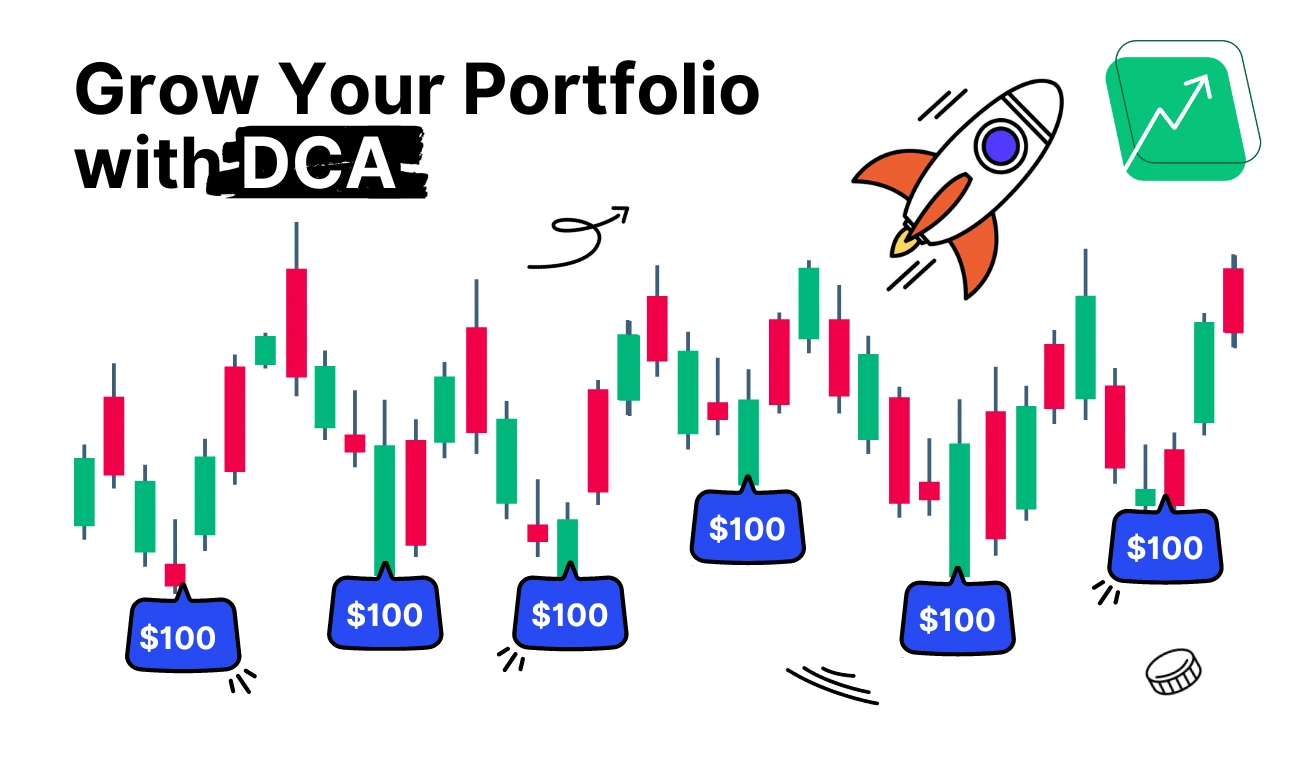 Image Source: Bitsgap
Survival in crypto waters demands more than spotting good waves—you need a game plan. The difference between seasoned surfers and weekend warriors isn't just skill; it's knowing when to paddle out, when to wait for better sets, and when to head back to shore with your board intact.
My $10,000 lesson taught me this: chasing profits without strategy is like paddling into every wave you see. Exhausting. Expensive. Sometimes dangerous.
Setting realistic profit targets
The ocean doesn't care about your profit goals, but smart planning keeps you in the lineup longer. Conservative targets win the long game—10-20% gains per trade build real wealth while 100% moonshot dreams usually end in wipeouts.
Here's my tiered approach that actually works:
- Take 25% profit at first target (10-20% gain)
- Move stop-loss to break-even
- Exit another 25-50% at second target
- Let remaining position ride the bigger waves
WaveTrader shows these natural exit points as "wave crests"—those moments where momentum peaks before the inevitable pullback. Smart surfers don't fight the ocean's rhythm; they work with it.
Dollar-cost averaging builds strength
DCA acts like consistent paddle training—small, regular efforts that compound over time. Instead of trying to time the perfect entry, you spread purchases across different market conditions:
- 💚 Removes pressure to catch the exact bottom
- 💚 Smooths out volatility's worst impacts
- 💚 Creates disciplined buying habits
- 💚 Builds stronger average positions during downtrends
Think of it as positioning yourself in the lineup over multiple sessions rather than gambling everything on one perfect wave. The visual approach helps you see how these steady entries build momentum, like watching your paddle strength improve session after session.
Reading market cycles like tide charts
Crypto moves in predictable cycles, just like ocean tides. Master these phases and you'll know exactly where you are in the market's rhythm:
📈 Accumulation
Smart money quietly builds positions while prices drift sideways. Like experienced surfers paddling out before dawn.
🚀 Markup
Prices start trending up as more traders recognize the opportunity. The crowd begins gathering in the lineup.
🎯 Distribution
Early entrants start taking profits, selling to late arrivals. Peak crowd conditions.
📉 Markdown
Selling pressure overwhelms buyers. The lineup empties as conditions deteriorate.
WaveTrader's visual interface turns these abstract cycles into readable wave formations—showing you exactly when markets are building strength versus when they're ready to break. This understanding helps you align with market flows rather than fighting against them, similar to how understanding crypto tax implications helps you keep more of your profits.
Risk management isn't about playing it safe—it's about staying in the game long enough to catch the waves that matter. Set your targets, stick to your plan, and let the market's natural rhythms work in your favor.
Helpful Tools for Smarter Trading
Smart wave riders don't paddle out empty-handed. Just as surfers choose the right board for conditions, crypto traders need proper tools to read market movements and execute clean entries. The difference between guessing and knowing often comes down to having the right instruments in your toolkit.
Portfolio trackers
Think of portfolio trackers as your trading logbook—tracking every position across multiple exchanges and wallets in one clean dashboard. These tools calculate your profit/loss ratios, monitor performance metrics, and maintain trading history. Some even handle tax reporting, saving you hours of spreadsheet headaches come tax season. CoinTracker, CoinStats, and Delta each offer different features, so pick one that matches how you like to organize your trades.
Charting platforms
Professional charting platforms serve as your market weather report—showing you what's building before the waves hit. These tools pack customizable technical indicators, drawing tools, and multi-timeframe analysis into interfaces seasoned traders swear by. TradingView and Coinigy give you the deep market visibility needed to spot potential entry and exit points through pattern recognition. Most experienced traders customize these platforms to highlight their preferred signals, creating personalized wave-reading setups.
How WaveTrader simplifies visual analysis
WaveTrader cuts through the chart clutter by turning traditional candlestick displays into intuitive wave patterns any beginner can read. This visual approach helps you identify paddle zones (optimal entry points) and wipeout zones (time to exit) without wrestling with complex technical indicators. The platform's surf-inspired interface makes market momentum as clear as reading ocean swells—helping you catch profitable trends instead of fighting against market currents.
No dense technical manuals, no overwhelming dashboards. Just clean visual cues that translate market complexity into patterns you can actually use.
🤔 Frequently Asked Questions
What's the minimum amount needed to start crypto trading?
You can start crypto trading with as little as $10-50 on most exchanges. However, it's recommended to start with $100-500 to properly practice risk management and account for fees. Never invest more than you can afford to lose – treating your initial capital as tuition for learning the markets is a healthy mindset.
How do stop-loss orders protect my trading account?
Stop-loss orders automatically sell your position when prices drop to a predetermined level, limiting your potential losses. For example, setting a 5% stop-loss on a $1,000 Bitcoin position would trigger a sale if the value drops to $950, protecting you from further decline. This removes emotion from exit decisions and ensures you stick to your risk management plan.
What's the difference between crypto trading and investing?
Trading involves frequent buying and selling to profit from short-term price movements (hours to weeks), while investing means holding assets long-term (months to years) for gradual appreciation. Traders focus on technical analysis and chart patterns, while investors study project fundamentals and long-term potential.
Why do visual trading tools help beginners?
Visual trading tools like WaveTrader transform complex chart data into intuitive patterns that beginners can understand immediately. Instead of decoding candlestick formations and technical indicators, you see market movements as waves with clear entry (paddle zones) and exit (wipeout zones) points. This accelerates learning and reduces costly mistakes from misreading charts.
What is dollar-cost averaging in crypto?
Dollar-cost averaging (DCA) means investing a fixed amount regularly regardless of price. For example, buying $100 of Bitcoin every week smooths out volatility over time. This strategy removes the pressure of timing the market perfectly and builds positions gradually, reducing the impact of short-term price swings on your overall investment.
Riding the Wave: Final Thoughts
Those expensive early lessons carved deep grooves in my trading approach. What started as a $10,000 wipeout became the foundation for reading market waves with confidence. The crypto ocean hasn't gotten any gentler—but now I know how to spot the difference between a clean break and a closing-out section.
Risk management saved my account more than any single strategy. Keep your position sizes reasonable, set your stops where they matter, and spread your risk across different crypto sectors. Most importantly—stay calm when the FOMO crowd starts paddling for the same wave you're watching. Their excitement usually signals a dangerous shore break ahead.
These visual tools changed everything for me. WaveTrader's surf-themed interface turns complex market data into something you can read at a glance. No more squinting at candlestick patterns or wrestling with indicator overload. You see paddle zones building momentum and wipeout zones forming before the crowd catches on.
Dollar-cost averaging keeps you in the game during rough sessions. Market cycles become your friend once you recognize the rhythm—accumulation zones where smart money quietly builds positions, markup phases where trends gain strength. Stop buying the excitement and start buying the opportunity.
The crypto market still delivers brutal lessons to unprepared traders. But armed with these principles and the right visual guide, you'll catch more waves than you miss. Your journey will include some memorable wipeouts—they're part of learning to surf these digital swells. The difference now? Those setbacks become stepping stones instead of account killers.
Start small, stay disciplined, and let the waves come to you. The ocean rewards patience and punishes greed. With proper risk management, visual trading tools, and these essential tips, you're equipped to navigate crypto's volatile waters successfully. Every professional trader started exactly where you are now—the only difference is they kept paddling after the wipeouts.
Ready to transform complex crypto charts into readable wave patterns? The WaveTrader app turns overwhelming market data into surf-inspired visuals that actually make sense. No more confusion, no more costly mistakes—just clear paddle zones and wipeout warnings that guide your trading decisions.
Disclaimer: This article is for educational and informational purposes only. It does not constitute financial, investment, or trading advice. Cryptocurrency markets are volatile and carry significant risk. Past performance does not guarantee future results. Always do your own research and consider consulting a qualified financial advisor before making any investment decisions.