
Quick Answer
A crypto bear market is a sustained drop of 20%+ from recent highs, often lasting 9-18 months. Instead of panic selling, smart traders use strategies like dollar-cost averaging, diversifying across blue-chip assets, staking for passive income, and setting stop-loss orders. Bear markets reward patience and discipline—every major crypto winter has been followed by bigger bull runs.

Bitcoin just took a $2.3 billion beating in one week this February 2026—one of the most brutal wipeouts ever recorded. The crypto ocean turned violent, slamming BTC 47% below its October high and leaving countless traders wondering if they'll ever see dry land again.
Bear markets aren't your typical afternoon storm. These are months-long tempests of falling prices and shattered confidence that can rage for years. Most beginners panic when the waves turn red, dumping their holdings while watching portfolios sink like stones. But here's what the pros know: rough seas create the best opportunities for those who can read the currents.
Even February's historical 14.3% Bitcoin gains can't always fight against a powerful riptide. When liquidity indicators flash warning signals and support levels crumble, even the strongest seasonal patterns get swept away. For traders learning to navigate the crypto waters for the first time, understanding these rough patches is essential.
How do you stay afloat when everyone else is drowning? Smart wave riders don't just survive these downturns—they paddle out stronger. Whether you're dollar-cost averaging during the chaos or using stop-loss orders that automatically pull you back to shore when prices crash, this guide will teach you to surf the storm instead of getting crushed by it.
🔑 Key Takeaways
- Bear markets are normal: Crypto downturns of 70-85% have happened repeatedly, yet every crash has been followed by new all-time highs
- Emotion is the enemy: Panic selling locks in losses at the worst possible moment—discipline and a pre-set plan are your best tools
- DCA is your anchor: Dollar-cost averaging smooths out volatility and removes the need to time the bottom perfectly
- Use the lull wisely: Bear markets are prime time for education, skill-building, and positioning for the next bull run
What Is a Crypto Bear Market?
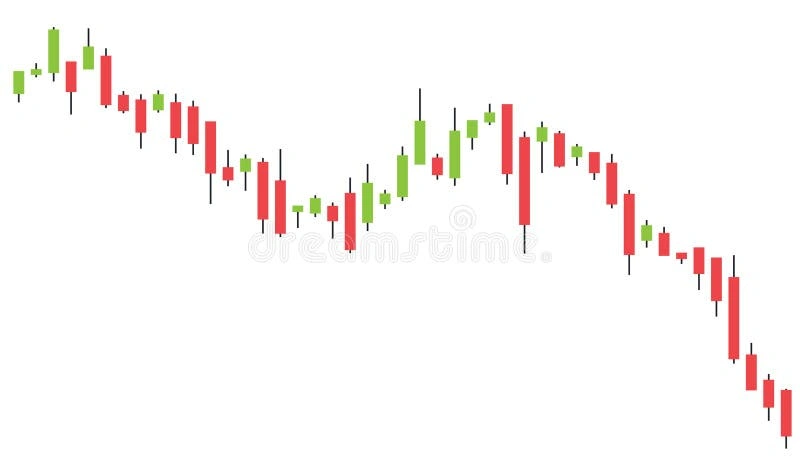 Image Source: Dreamstime.com
Bear Market
A sustained period where asset prices fall at least 20% from recent highs, creating a prolonged downturn that can last months or years. Think of it as the difference between a quick summer squall and a hurricane season—one passes in hours, the other reshapes the entire landscape.
Bear markets don't just mean falling prices—they create a distinct environment with recognizable patterns. Understanding these patterns is essential, much like learning to read break signals before riding any wave.
Declining prices over extended periods
Downward trajectory forming lower highs and lower lows—each attempted recovery falls short of the previous peak.
Shattered investor confidence
Negative media sentiment, weak demand coupled with strong selling pressure. Traders delay purchases expecting deeper drops.
Shrinking volume and liquidity
Participants flee the market, volume dries up, and the focus shifts from chasing gains to stopping the bleeding.
How long do bear markets usually last?
Crypto bear markets typically run 9-18 months, with most lasting around a year. That's actually shorter than traditional market downturns, but crypto makes up for brevity with brutality—the drops are steeper and more dramatic.
Bitcoin and major altcoins routinely shed 70-85% of their peak value. Remember 2017-2018? Bitcoin crashed from $18,000 to roughly $3,000. Yet that same beaten-down asset later soared above $50,000. The pattern repeats: savage drops followed by explosive recoveries.
WaveTrader's visual system makes these cycles easier to spot. When the platform shows orange "Down Crash" waves, you're seeing dangerous selling pressure before it wipes out portfolios. No guesswork—just clear visual cues for market phases.
Is crypto in a bear market right now?
The signals are unmistakable. Bitcoin has dropped roughly 50% from its October 2025 peak—well past the 20% bear market threshold. More telling, BTC broke below its 365-day moving average in late 2025, a technical signal that historically marks the start of serious downturns. If you're tracking these patterns using visual analytics tools, the warning signs were there early.
The Realized Cap Impulse indicator flipped negative for the first time in three years. When this signal turns red, major corrections or extended bear markets typically follow. Current projections put the cycle start at October 2025, with a potential bottom around Q3 2026. Bitcoin now trades 30% below its yearly average—classic early bear market territory.
Denial
"It's just a dip"
Fear
"Maybe I should sell"
Capitulation
"Get me out now!"
Recovery
"Smart money enters"
Markets cycle through four distinct phases: denial, fear, capitulation, and recovery. Recognizing these stages separates opportunity from panic. Understanding the psychology behind market cycles is what separates the pros from the amateurs. Even seasoned investors stumble during the fear and capitulation phases when emotions override logic. That's precisely when discipline matters most.
Master Your Inner Currents
Crypto's wild swings can break even veteran surfers. Sure, technical charts matter—but your emotional discipline decides whether you wipe out or ride the perfect barrel through a bear market. Knowing how to handle emotional triggers like revenge trading can save your portfolio from disaster.
Don't bail when the set gets heavy
Panic selling destroys more portfolios than any market crash. When prices nosedive, that voice in your head screams "sell everything now!"—usually right at the worst moment. These fear-driven exits turn temporary beatings into permanent losses.
The pattern always plays out the same way: prices crater, confidence shatters, and instinct overrides logic. What starts as one spooked trader quickly becomes a feeding frenzy:
- 🌊 Fear spreads faster than wildfire through Discord and Reddit
- 🌊 Emotional decisions hit harder in crypto than traditional markets
- 🌊 Mass panic triggers more selling, creating a vicious cycle
- 🌊 Each rushed exit makes the next one easier to justify
WaveTrader's orange "Down Crash" animations give you visual warnings before the panic hits. When you see those orange waves building, you'll know dangerous selling pressure is mounting—before your emotions take the wheel.
Stick to your game plan
The best surfers don't change their approach mid-wave. Smart crypto investors draft their strategies during calm periods, then execute them no matter how chaotic the sea gets.
Elliot Han from C1 Fund puts it perfectly: "Set your rules when the screen isn't flashing red. Size your positions so you can sleep at night." This discipline keeps you steady when others are flailing.
Your Bear Market Survival Plan
- 1. Clear goals set before you start trading
- 2. Exit points mapped out in advance
- 3. Dollar-cost averaging to smooth your entries
- 4. Cash reserves for when opportunities surface
Time is your secret weapon
Bear markets reward those who can wait—and punish the hyperactive. All that daily noise becomes exhausting when deleveraging and fear dominate the lineup.
Market bottoms don't form overnight. They typically take 4-6 months of grinding around low levels before the tide turns. Bill Barhydt from Abra nails it: "Market volatility smooths out over any 10-year stretch"—patience pays better than perfect timing.
History backs this up beautifully. Bitcoin has crashed 85% multiple times throughout its existence—and every single time, it's eventually surfaced to new highs. Even buyers who jumped in at the 2017 peak saw their patience rewarded in later cycles. Understanding how to build a solid portfolio is what makes the difference between riding out the storm and getting capsized.
Five Ways to Surf the Storm and Come Out Ahead
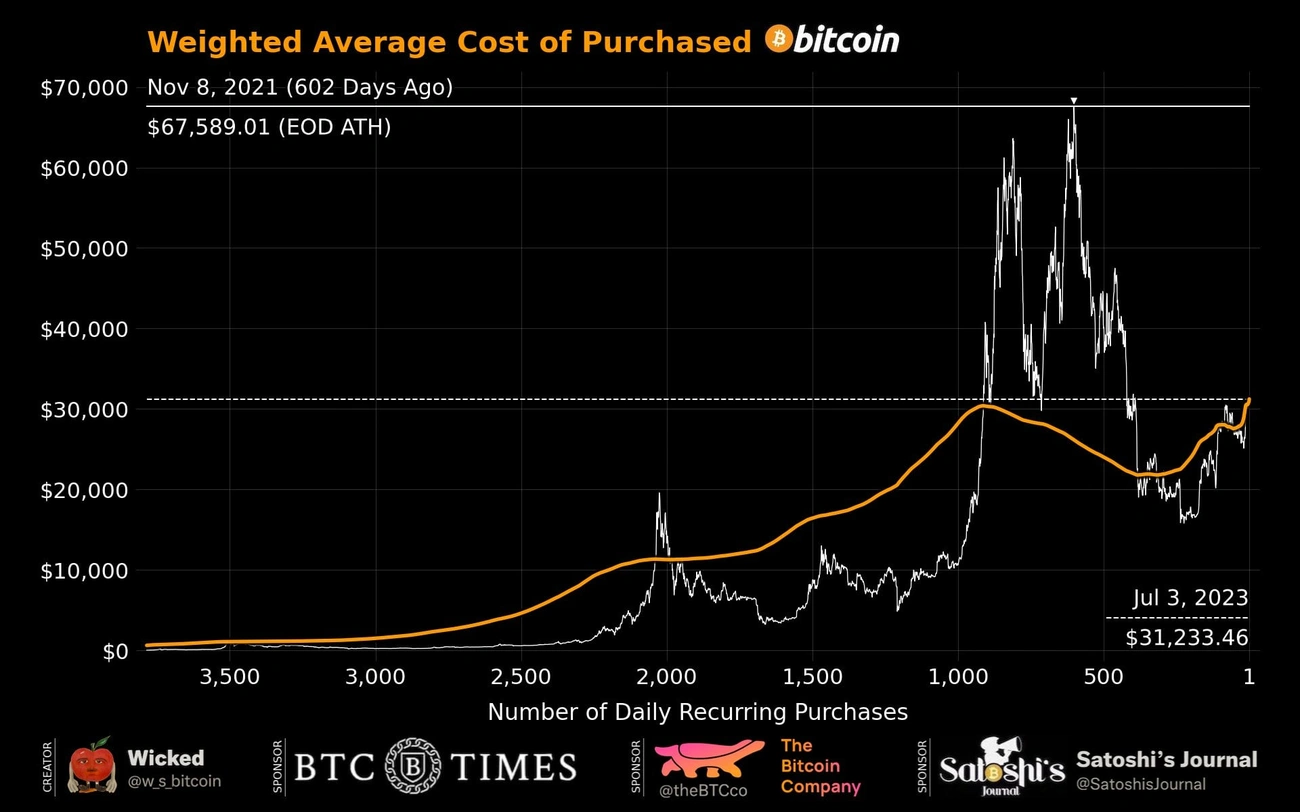 Image Source: Reddit
Bear markets separate the weekend surfers from the pros. While most traders get tossed around by the waves, smart money uses these rough conditions to position for the next big swell. Here are five proven tactics to not just survive the storm—but ride it to profit.
1. Dollar-Cost Average Your Way In
DCA isn't about timing the perfect wave—it's about staying in the water consistently. You buy a fixed amount of crypto at regular intervals, whether prices are soaring or crashing. This smooths out volatility and keeps emotions from sabotaging your strategy.
Dollar-Cost Averaging (DCA)
An investment strategy where you buy a fixed dollar amount of an asset at regular intervals (weekly, monthly) regardless of the current price. This removes the need to time the market and reduces the impact of volatility—like paddling out at the same time every day instead of trying to predict the perfect swell.
Your DCA playbook:
- ✅ Pick 1-3 solid projects you actually understand
- ✅ Set a weekly or monthly buy amount you can stick with for a year
- ✅ Automate everything—remove the temptation to second-guess
- ✅ Check quarterly, but resist tweaking based on daily noise
Even starting at the brutal 2021 peak would have you sitting pretty today compared to throwing everything in at once.
2. Spread Your Risk Across the Ocean
Smart surfers don't paddle out to just one break. Diversification protects you when individual coins get hammered. One project's disaster doesn't sink your entire portfolio.
Solid Foundation
Bitcoin and Ethereum anchor your holdings
Growth Sectors
Different use cases and technologies
Dry Powder
Stablecoins for when opportunities surface
WaveTrader's green "Paddle Zones" help you spot buying opportunities across your diversified holdings, keeping you ready when the tides turn. For more on choosing the right platforms with the lowest trading fees, check our exchange comparison guide.
3. Load Up on the Blue Chips
When storms hit, you want the strongest boards under your feet. Bitcoin's hard cap of 21 million coins (with 19.9 million already mined) creates digital scarcity that rivals gold.
Ethereum brings different strength—its proof-of-stake upgrade and developer ecosystem create real utility. For beginners, these battle-tested giants form the perfect storm-weather foundation. Learning to recognize chart patterns on these assets helps you spot accumulation zones during bear markets.
4. Stake Your Way to Passive Gains
Why let your crypto sit idle when it could be earning? Staking locks your tokens to support network security while generating steady rewards. Think of it as getting paid to hold during the downturn.
Lockup periods
Some staking ties up funds for months
Validator risk
Bad operators can get penalized
Smart contract exposure
DeFi staking adds complexity
Remember to consider the tax implications of staking rewards before committing your assets.
5. Set Your Bailout Points
Stop-loss orders act like automatic life preservers—they pull you out when things get dangerous. Set them before emotions kick in, then let them do their job without constant babysitting.
Stop-Loss Order
An automatic order to sell an asset when it drops to a specific price. It limits your losses without requiring you to watch the market constantly—like having a lifeguard pull you from the water when the current gets too strong.
Most pros risk just 0.5-1% per position—the amount they're comfortable losing if stops trigger. WaveTrader's orange "Down Crash" waves give you visual cues for setting smart exit levels. Understanding proper entry and exit points is crucial for effective stop-loss placement.
Gear Up: Essential Tools for Storm Survival
Smart surfers never hit rough waters without the right equipment. Bear market survival demands reliable tools that keep your strategies on autopilot and your emotions in check.
WaveTrader
Your Digital Surf Coach
Cuts through market noise by turning complex data into crystal-clear visuals. Green "Paddle Zones" mark buying sweet spots while red "Wipeout Zones" flash danger signals. AI-powered alerts straight to your phone.
Trading Bots
Set It and Forget It
Automated bots execute your game plan with machine precision. Create rules like "Buy BTC when it drops 5% in 24 hours" without touching code. Works 24/7 without fatigue or fear.
Portfolio Trackers
Your Financial Dashboard
Total visibility across all holdings. Auto-sync with 500+ exchanges, automatic cost basis calculation, and tax-loss harvesting features that save thousands during drawdowns.
Gear Up for the Next Perfect Wave
Bear markets don't last forever—they're the calm between swells that smart surfers use to sharpen their skills. While others sit on the beach waiting, experienced wave riders spend the lull preparing for the next big set.
Keep your board in balance
Pro surfers check their equipment regularly, and smart crypto investors do the same with their portfolios. Institutional players typically rebalance quarterly or when their allocation drifts ±8-10% from targets. Crypto's wild volatility—Bitcoin swings 40-50% annually, Ethereum 50-60%—can knock your portfolio off balance within weeks. Regular rebalancing forces you to sell high and buy low automatically.
WaveTrader's green "Paddle Zones" make this simple, highlighting rebalancing opportunities across your different holdings without the spreadsheet headaches.
Sharpen your skills between sets
The quiet water between wave cycles offers perfect training time. Early positioning in emerging themes—like AI-linked protocols—could deliver massive upside as adoption grows. Consider building practical skills that matter:
- 📚 Solidity basics for understanding smart contracts
- 📚 Dune dashboard analysis for reading on-chain data
- 📚 Testnet node management for hands-on experience
- 📚 Learning Fibonacci retracement levels for better trade entries
- 📚 Studying ABC correction patterns for wave trading
Build your pre-surf routine
Structure beats chaos every time. Create a simple weekly rhythm:
Quick portfolio check (5-10 minutes)
Research hour to update your project watchlist
Move exchange funds to cold storage
Strategy review and market prep
The best surfers know their conditions before they paddle out. When the next bull market arrives, you'll be ready to catch every swell.
🤔 Frequently Asked Questions
How long do crypto bear markets usually last?
Crypto bear markets typically last 9-18 months, with most running about a year. While shorter than traditional market downturns, crypto bear markets are more brutal—major assets routinely shed 70-85% of their peak value. Bitcoin crashed from $18,000 to $3,000 in 2017-2018, yet later soared above $50,000.
What is dollar-cost averaging and does it work in bear markets?
Dollar-cost averaging (DCA) means buying a fixed amount of crypto at regular intervals regardless of price. It works especially well in bear markets because you accumulate more coins when prices are low, lowering your average cost. Even investors who started DCA at the 2021 peak would be profitable today compared to lump-sum investing.
Should I sell everything during a crypto bear market?
Panic selling during bear markets typically locks in losses at the worst possible time. History shows Bitcoin has crashed 85% multiple times yet always recovered to set new highs. Instead of selling everything, consider using stop-loss orders to limit downside while keeping core positions intact for the eventual recovery.
How can I earn passive income during a crypto bear market?
Staking your crypto tokens to support network security generates steady rewards during downturns. However, watch for risks including lockup periods that tie up funds for months, validator penalties, and smart contract exposure in DeFi staking. Always research staking terms before committing your assets.
What percentage of my portfolio should be in stablecoins during a bear market?
Most experienced investors keep 10-20% of their crypto portfolio in stablecoins during bear markets. This "dry powder" reserve lets you capitalize on buying opportunities when prices drop to attractive levels. Your core holdings (50-80%) should remain in blue-chip assets like Bitcoin and Ethereum.
Ready to Ride the Next Swell
Bear markets test your nerve—no question about it. But seasoned wave riders know these rough patches aren't just about staying afloat. They're your chance to position yourself for the massive swells that always follow the storms.
Your mental game matters more than any technical indicator. Keep your head cool when others are bailing out, stick to your strategy when the water turns choppy, and you'll make smart moves while panic spreads through the lineup. Pair that discipline with solid tactics—dollar-cost averaging, smart diversification, blue-chip focus—and you've got a framework that actually works when prices are bleeding red.
WaveTrader's visual approach cuts through the noise if you're new to reading these waters. Those green "Paddle Zones" and orange "Wipeout Zones" give you clear signals without drowning in charts and indicators. Simple visual cues keep you focused on what matters: timing your moves right.
Bear markets hand you something precious: time to sharpen your skills and build better habits. While others sit on the beach waiting for calmer seas, smart surfers use the lull to study the currents and perfect their technique. Whether you're mastering swing trading patterns or understanding long-term trading data, this downtime is your training ground.
Here's what history teaches us: every crypto winter eventually melts into a new spring with bigger waves than before. Bitcoin has crashed 85% multiple times, yet it keeps setting new records. The pattern holds—patient riders who stay in the game emerge stronger when the tide turns.
Nobody knows when this storm will pass. But you've got the tools now to surf it instead of getting swept away. Focus on the fundamentals, ignore the daily chaos, and treat this rough patch as your training ground for future success.
The next bull run is building somewhere out there. Start paddling now so you're ready to catch it.
Disclaimer: This article is for educational and informational purposes only. It does not constitute financial, investment, or trading advice. Cryptocurrency markets are volatile and carry significant risk. Past performance does not guarantee future results. Always do your own research and consider consulting a qualified financial advisor before making any investment decisions.